
glass tempering
Understanding the Importance and Functionality of Stainless Steel Pipe Clamps Stainless steel pipe clamps, an essential component in various industries, play a crucial role in securing and supporting pipes in numerous applications. These clamps, constructed from high-quality stainless steel, offer a robust and durable solution to pipe installation and maintenance tasks. Stainless steel, known for its excellent corrosion resistance and strength, is the ideal material for manufacturing pipe clamps. The inclusion of chromium in the steel composition gives it the ability to resist rusting and degradation over time, making it suitable for use in harsh environments, such as chemical plants, oil refineries, and marine settings. Moreover, the inherent toughness and durability of stainless steel ensure that these clamps can withstand heavy loads and extreme temperatures without degrading or failing. A pipe clamp, fundamentally, is a device designed to hold pipes securely in place, preventing any unwanted movement or vibrations that could lead to leaks or damage. The stainless steel variety offers additional benefits due to its non-magnetic properties and aesthetic appeal, which makes it a popular choice in both industrial and domestic settings. They come in various designs, including single band, double band, and hinged types, each tailored to specific pipe sizes and application requirements. The single-band clamp, for instance, is a simple yet effective design, consisting of a single band with a bolt and nut mechanism. It is ideal for quick installations on smaller diameter pipes. Double-band clamps, on the other hand, provide increased stability and support, particularly useful for larger pipes or those carrying high-pressure fluids Double-band clamps, on the other hand, provide increased stability and support, particularly useful for larger pipes or those carrying high-pressure fluids Double-band clamps, on the other hand, provide increased stability and support, particularly useful for larger pipes or those carrying high-pressure fluids Double-band clamps, on the other hand, provide increased stability and support, particularly useful for larger pipes or those carrying high-pressure fluids stainless steel pipe clamp . Hinged clamps allow easy access to the pipe for maintenance or adjustments, making them convenient in situations where frequent servicing is necessary. In addition to their functional attributes, stainless steel pipe clamps contribute significantly to safety in industrial operations. By ensuring a secure hold on pipes, they minimize the risk of leaks, spills, and accidents. Their resistance to corrosion also extends the lifespan of the pipe infrastructure, reducing the need for frequent replacements and maintenance, thereby saving costs in the long run. Furthermore, the versatility of stainless steel pipe clamps allows them to be used in a multitude of industries, from plumbing and HVAC systems to automotive and aerospace engineering. Their adaptability and resilience make them indispensable tools in modern construction and manufacturing processes. In conclusion, stainless steel pipe clamps are more than just a simple mechanical device; they are a testament to the power of combining functionality and durability in engineering solutions. Their use not only ensures efficient and safe pipe management but also contributes to sustainability by reducing the need for constant repairs and replacements. As technology advances, we can expect even more innovative designs and applications of these versatile clamps in the future.
about
glass tempering
Rebar stands for concrete reinforcement bar, also known as reinforcing steel or reinforcement steel. It plays a crucial role in the construction industry, providing strength and stability to concrete structures. The use of rebar in concrete construction has been essential for centuries, dating back to ancient civilizations such as the Romans who built impressive structures like the Pantheon with the help of reinforced concrete. Rebar is typically made of steel and comes in various shapes and sizes depending on the specific requirements of the construction project. It is designed to withstand tension forces in concrete, preventing cracks and ensuring the durability of the structure. Without rebar, concrete would be prone to cracking and collapsing under pressure, making it unsuitable for many construction applications. In a typical construction project, rebar is placed within the concrete formwork before the concrete is poured. The rebar grid is carefully designed and positioned to provide the necessary structural support for the concrete. Once the concrete is cured, the rebar becomes embedded within the concrete, forming a strong bond that enhances the overall strength and integrity of the structure. The use of rebar allows for the construction of larger and more complex structures that would not be possible with plain concrete alone. Skyscrapers, bridges, dams, and highways are just a few examples of the types of structures that rely on rebar for stability and longevity. The versatility of rebar makes it an essential component in a wide range of construction projects, from residential buildings to industrial facilities The versatility of rebar makes it an essential component in a wide range of construction projects, from residential buildings to industrial facilities The versatility of rebar makes it an essential component in a wide range of construction projects, from residential buildings to industrial facilities The versatility of rebar makes it an essential component in a wide range of construction projects, from residential buildings to industrial facilities rebar stands for concrete . In addition to providing structural support, rebar also helps to minimize the environmental impact of construction projects. By reinforcing concrete with steel, builders can reduce the amount of material needed for a given structure, resulting in less waste and a more sustainable construction process. Rebar can also be recycled and reused, further reducing the carbon footprint of construction projects. As technology advances, new types of rebar are being developed to meet the evolving needs of the construction industry. Fiberglass rebar, for example, offers a lightweight and corrosion-resistant alternative to traditional steel rebar. Carbon fiber rebar is another innovative option that provides high strength and durability while also being lightweight and non-corrosive. In conclusion, rebar stands for concrete reinforcement bar and plays a critical role in the construction industry. By providing strength, stability, and durability to concrete structures, rebar enables the construction of safe and reliable buildings and infrastructure. As construction practices continue to evolve, rebar will remain an essential component in the development of sustainable and resilient structures for the future.
-

High quality industrial productsagement

High quality industrial products
View Details -

Meet the diverse needs of customers

Meet the diverse needs of customers
View Details -

Strict quality control

Strict quality control
View Details -

Top raw materials

Top raw materials
View Details -

Trusted supplier

Trusted supplier
View Details
Our application


news and information

Water Control Solutions for Efficient Valve Management in Plumbing Systems
The Importance of Valve Water Management in Industrial Applications In various industrial operations

V Blocks for Sale – Precision V Block Types & Cast Iron Vee Blocks
Storaen (Cangzhou) International Trading Co. Official Website: https://www.strmachinery.com E-mail:
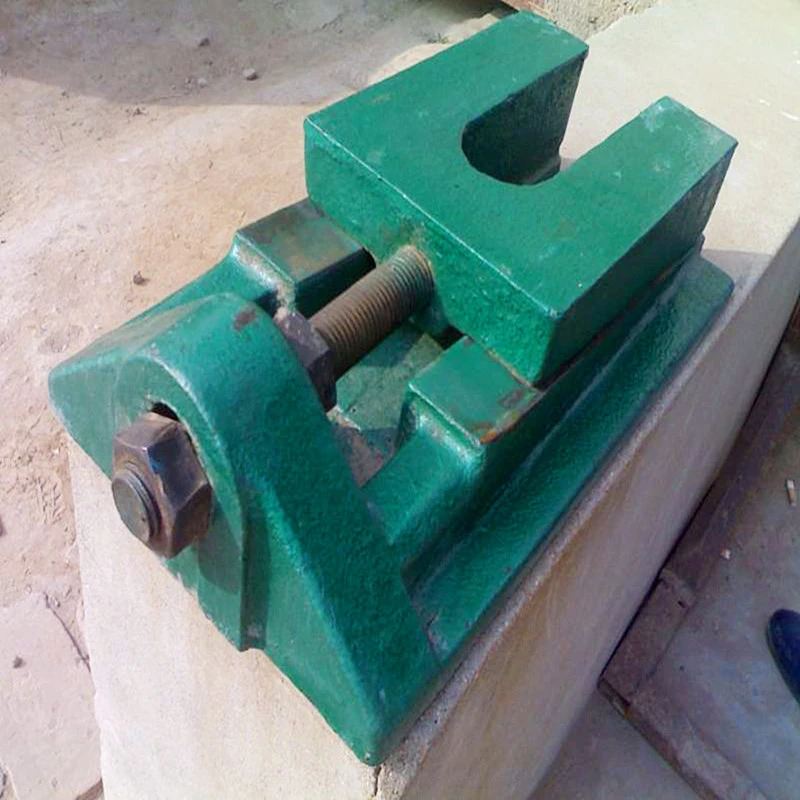
V Blocks for Precision Machining and Tool Alignment in Manufacturing Processes
Understanding V Blocks for Machining Essential Tools for Precision Work In the realm of machining, p
 English